


Countries In Focus
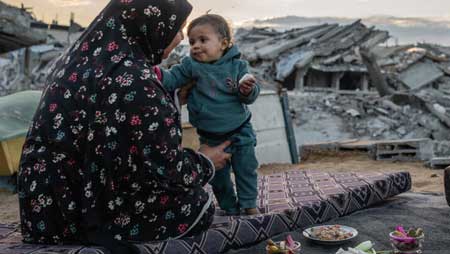


GAZA STRIP: Humanitarian assistance drives food security and nutrition gains, but conditions remain highly fragile
After two years of conflict, the October 2025 ceasefire has led to measurable gains in humanitarian access and overall conditions across the Gaza Strip. However, the situation remains deeply fragile, with civilians continuing to endure harsh conditions.
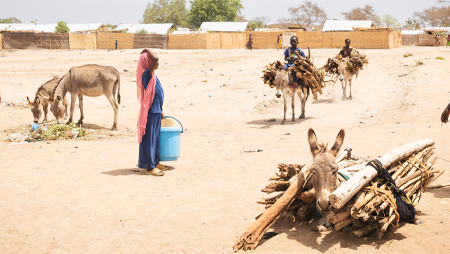
Central African Republic: Nearly one in three people require urgent assistance as conflict, high prices, and flood risks constrain food access
Between April and August 2026, over 2 million people in the Central African Republic are experiencing high levels of acute food insecurity.
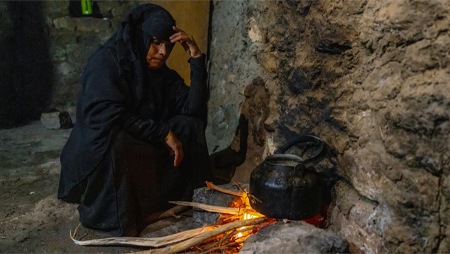
YEMEN: One in two people in Government of Yemen-controlled areas face high levels of acute food insecurity amid economic crisis and insecurity
One in two people in Government of Yemen (GoY)-controlled areas of Yemen continue experiencing high levels of acute food insecurity, with a deteriorating macroeconomic crisis, localised violence and civil unrest leaving millions unable to meet basic food needs.
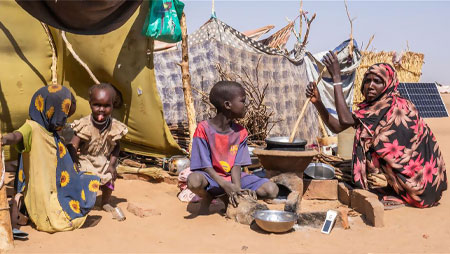
SUDAN: Major food and nutrition crisis persists as conflict enters fourth year and risk of Famine looms
Sudan remains one of the world’s most severe humanitarian crises. Around 19.5 million people are facing high levels of acute food insecurity through May 2026.
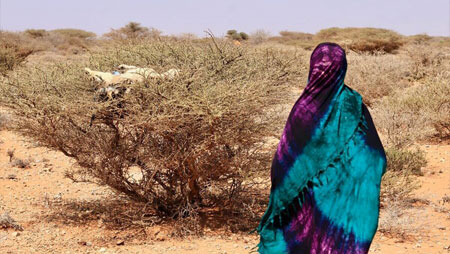
SOMALIA: Poor rains and rising costs drive urgent food and nutrition needs, with risk of Famine in one area
Six million people in Somalia are facing high levels of acute food insecurity (IPC Phase 3 or above) between April and June 2026, including 1.9 million in Emergency (IPC Phase 4).
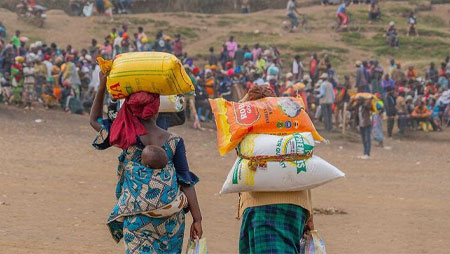
DEMOCRATIC REPUBLIC OF THE CONGO: Alarming levels of acute food insecurity leave 26.5 million people in urgent need of assistance
People in the Democratic Republic of the Congo (DRC) continue to face a prolonged emergency, marked by ongoing conflict, massive population displacement and dire levels of humanitarian need.
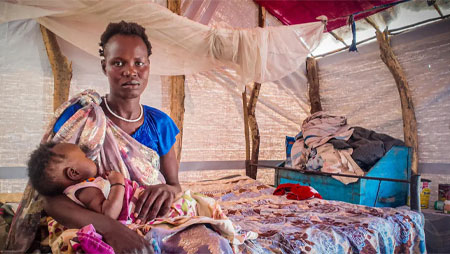
SOUTH SUDAN: Rising conflict heightens Famine risk, with 7.8 million people facing severe food insecurity and 2.2 million malnourished children
An estimated 7.8 million people in South Sudan are expected to face high levels of acute food insecurity between April and July 2026.
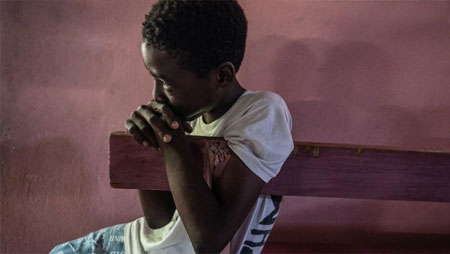
HAITI: Nearly half of country’s population still facing food gaps due to armed violence, climate shocks, economic contraction
The food security situation in Haiti remains critical with over 5.83 million people (52 percent of the analysed population) expected to experience high levels of acute food insecurity (IPC Phase 3 or above) between March and June 2026
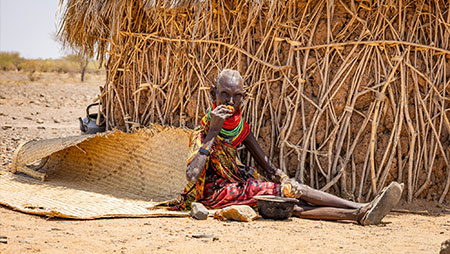
KENYA: Extremely Critical acute malnutrition confirmed in three areas; high levels of acute food insecurity affect ASAL counties and refugee settlements
Extremely Critical acute malnutrition (IPC AMN Phase 5) is confirmed in Mandera, North Horr/Chalbi (Marsabit), and Turkana South and East in Kenya’s Arid and Semi-Arid Lands (ASALs)
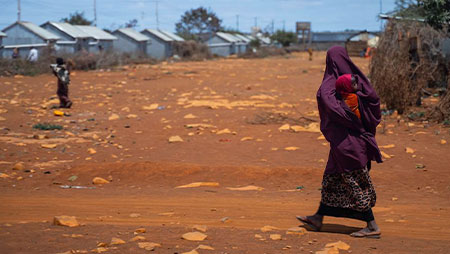
SOMALIA: Number of people facing high levels of acute food insecurity doubles to 6.5 million since last year; 1.8 million children under five at risk of acute malnutrition
The population classified in IPC Acute Food Insecurity (AFI) Phase 3 or above (Crisis or worse) has nearly doubled between February–March 2026 to a staggering 6.5 million people since early 2025
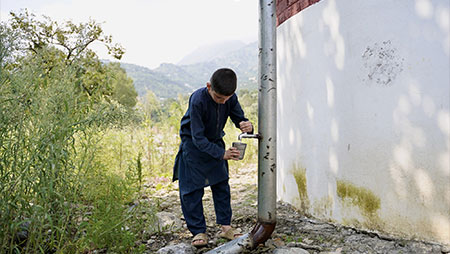
PAKISTAN: Compounding shocks—floods, drought and economic pressures - drive 7.5 million people into high levels of acute food insecurity
Residual impacts of the 2025 monsoon floods, prolonged drought and dry spells, and localised insecurity are driving more than one-fifth of the analysed population in Pakistan into high levels of acute food insecurity.
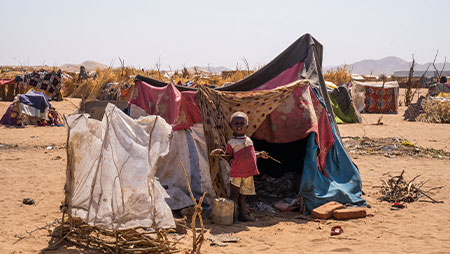
SUDAN: Famine threshold for acute malnutrition surpassed in two more North Darfur localities, crisis worsening in Greater Kordofan
Following the mass displacement of people from El Fasher town in late October 2025 and ongoing hostilities, levels of acute malnutrition have surpassed famine thresholds in two areas of North Darfur
Join our mailing list