


Countries In Focus
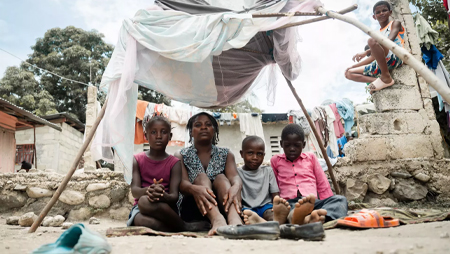


HAITI: Armed gang violence, economic decline push half of the population into high levels of acute food insecurity
Haiti continues to face a worsening humanitarian crisis, with alarming rates of armed gang violence disrupting daily life, forcing more people to flee their homes and levels of acute food insecurity to rise.
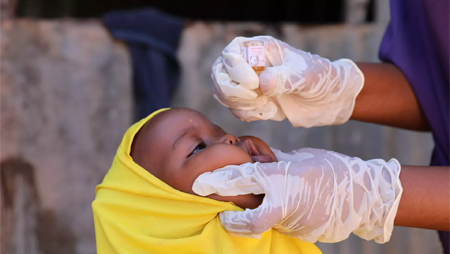
SOMALIA: About 4.4 million experiencing high levels of acute food insecurity; 1.6 million children likely to suffer from acute malnutrition
The erratic rainfall between May and June 2024 led to a reduction in crop production in agropastoral livelihoods.
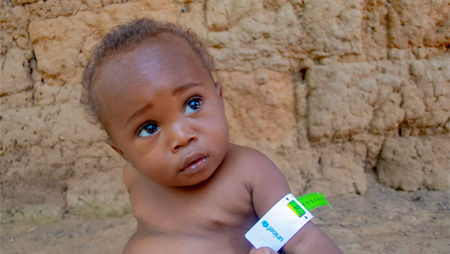
Democratic Republic of the Congo: Nearly 4.5 million children facing or expected to face acute malnutrition
Between July 2024 and June 2025, nearly 4.5 million children aged 6 to 59 months are facing or expected to face acute malnutrition, including approximately 1.4 million cases of severe acute malnutrition and 3.1 million cases of moderate acute malnutrition
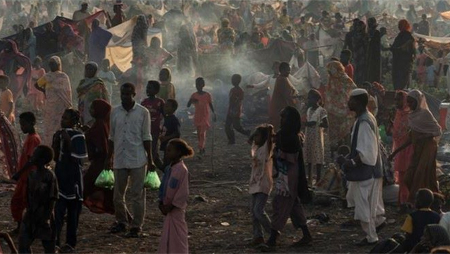
FAMINE IN SUDAN: IPC Famine Review Committee Confirms Famine in parts of North Darfur
After a careful review of the recent IPC analyses conducted by FEWS NET and the Sudan IPC Technical Working Group (TWG), the Famine Review Committee (FRC) of the Integrated Food Security Phase Classification (IPC) has concluded that famine conditions are prevalent in parts of North Darfur, including the Zamzam camp south of El Fasher.
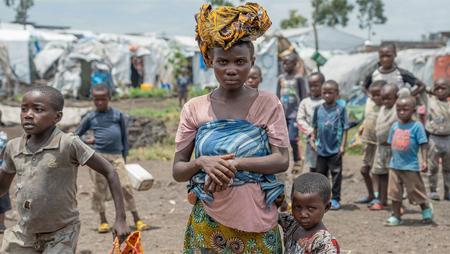
DEMOCRATIC REPUBLIC OF THE CONGO: Structural factors, protracted conflict and natural disasters leave 40.8 million people in high levels of chronic food insecurity
The latest Chronic Food Insecurity analysis revealed that the situation in the Democratic Republic of Congo (DRC) remains critical, with about 40 percent of the population facing IPC Level 3 or above chronic food insecurity.
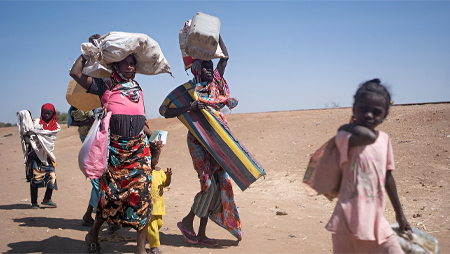
SUDAN: Rapid deterioration leaves 25.6M people in high levels of acute food insecurity, 14 areas at risk of Famine
Fourteen months into the conflict, Sudan is facing the worst levels of acute food insecurity ever recorded by the IPC in the country. Over half the population (25.6M people) face Crisis or worse conditions (IPC Phase 3 or above) from June to September 2024 – coinciding with the lean season.
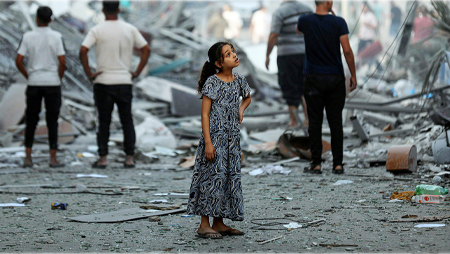
GAZA STRIP: Risk of Famine as 495,000 people face catastrophic acute food insecurity (IPC Phase 5)
A high risk of Famine persists across the whole Gaza Strip as long as conflict continues and humanitarian access is restricted. About 96 percent of the population in the Gaza Strip (2.15M people) face high levels of acute food insecurity through September 2024.
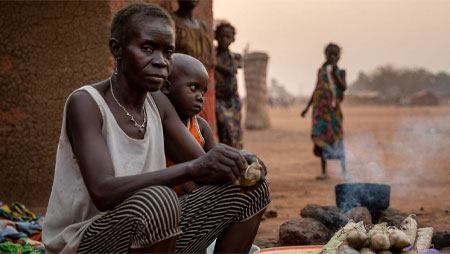
CENTRAL AFRICAN REPUBLIC: Widespread displacement and armed conflict continue to drive 2.5 million people into high levels of acute food insecurity
This projection update shows that the food insecurity situation in Central African Republic remains concerning, with around 2.5 million people (41 percent of the population analysed) in IPC Phase 3 or above.
GAZA STRIP: Famine Review Committee: Review of the FEWS NET IPC-Compatible Analysis for the Northern Governorates of the Gaza Strip
The IPC Famine Review Committee carried out a review of the IPC-Compatible Analysis for the Northern Governorates of the Gaza Strip conducted by the Famine Early Warning Systems Network (FEWS NET) in April 2024. Find here the FRC’s conclusions and recommendations.
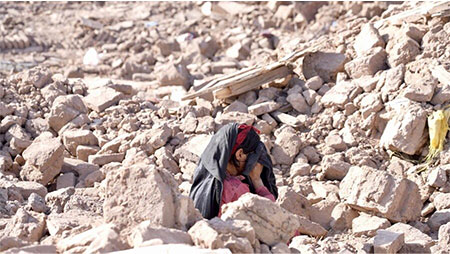
AFGHANISTAN: Despite marginal improvements, climatic shocks and high food prices continue to drive 14.2 million people into high levels of food insecurity
Afghanistan continues to experience marginal improvements in food security since the large degradation in the situation following the political transition of 2021.
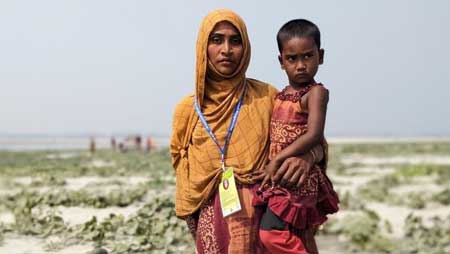
BANGLADESH: High food prices, climatic shocks drive 14.6 million people into high levels of acute food insecurity
High inflation, coupled with repeated climatic shocks as well as reduced income opportunities are putting high pressures on the poorest households and driving acute food insecurity in Bangladesh.
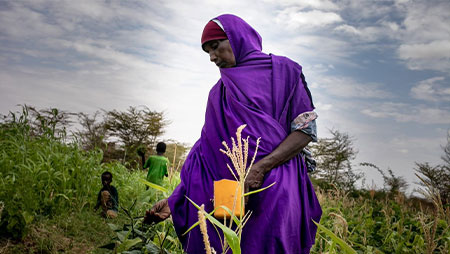
SUDAN - IPC Alert: A conflict surge threatens millions to slide into worst levels of acute food insecurity and malnutrition
The food security and nutrition situation in Sudan has deteriorated significantly amidst escalating conflict, raising major concern.
Join our mailing list