


Countries In Focus
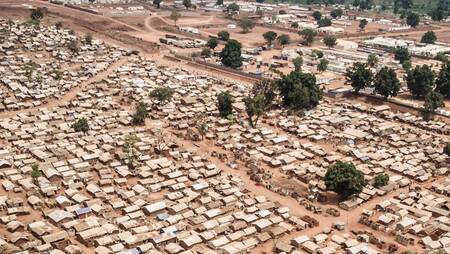


Central African Republic - June 2019
Despite the signing of the Khartoum peace agreement, the security situation remains precarious throughout the country, mainly in the Haut-Kotto, Haut Mbomou and Basse-Kotto prefectures where non-signatory armed groups continue their incursions on major supply routes and around major cities.
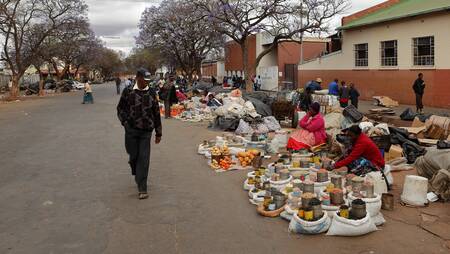
Zimbabwe - February 2019
The current food insecurity is driven by multiple shocks, including climate and economic shocks. During the lean season, households deplete their cereal stock and usually depend on the market. Food prices are currently 50 to 150% above the five year average and are expected to keep increasing throughout the lean season, with extremely negative effects on households’ financial access to food.
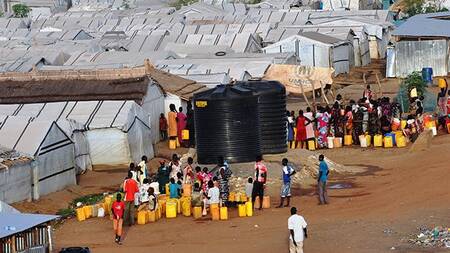
South Sudan - February-April 2019
In the current analysis period of January 2019, 6.17 million people (54% of the population) are estimated to have faced Crisis (IPC Phase 3) acute food insecurity or worse, out of which 1.36 million people faced Emergency (IPC Phase 4) acute food insecurity and 30,000 faced Catastrophe (IPC Phase 5).
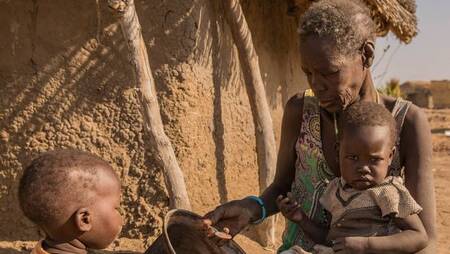
South Sudan - September 2018
In September 2018, 6.1 million people (59% of the total population) are facing Crisis (IPC Phase 3), Emergency (IPC Phase 4) and Catastrophe (IPC Phase 5).
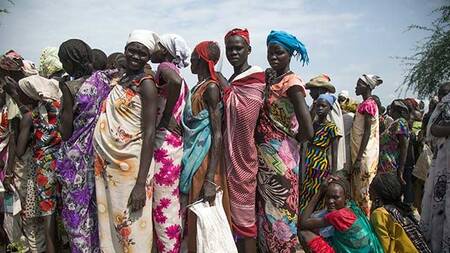
South Sudan - September 2017
In September 2017, 6 million people were in Crisis (IPC Phase 3), Emergency (IPC Phase 4) and Catastrophe (IPC Phase 5), which corresponded to 56% of the total population.
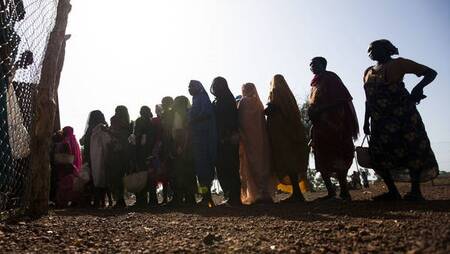
South Sudan - June 2018
Despite efforts made to contain famine, 6 million people are in need of urgent assistance - the greatest number of food insecure people ever recorded in South Sudan
Join our mailing list